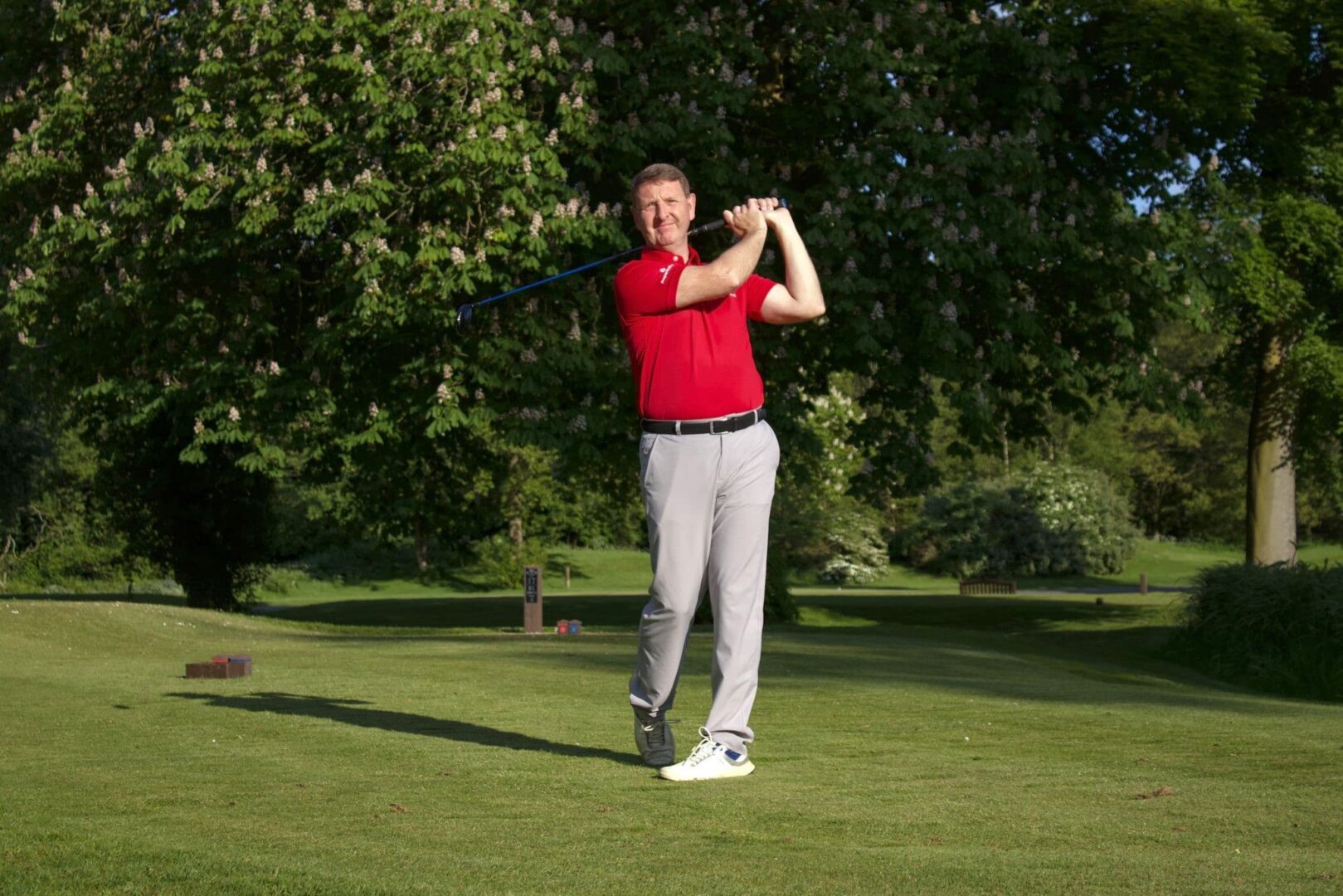
Tenerife Golf Coaching Holiday at Buenavista | ProperGolfing
Timeless Golf Swing Insight
Why Our Golfers Keep Coming Back: Another Wonderful Week in Tenerife
Eight golfers. One spectacular Seve Ballesteros-designed golf course. A week of personal coaching, wonderful company and some remarkable improvements.
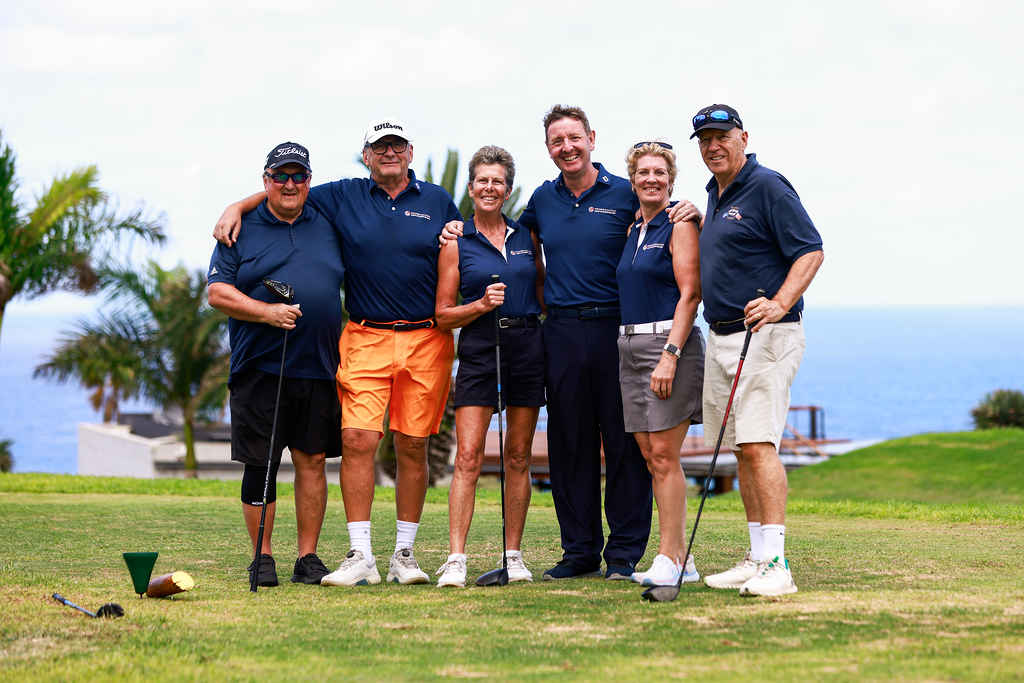
What makes a golf holiday so special that people want to come back year after year?
We’ve just returned from another fantastic Timeless Golf Swing® coaching holiday at Buenavista in the north of Tenerife, and one thing made us particularly proud.
Of course, the five-star hotel, the sunshine and the spectacular golf course are all part of the attraction. But we think something else keeps bringing people back: the people, the atmosphere, the personal coaching and the confidence of knowing they’re going to have a wonderful week.
And this particular week reminded us of something else. You really can keep improving your golf, whatever your age or ability.
There’s a Reason It’s Called Buenavista
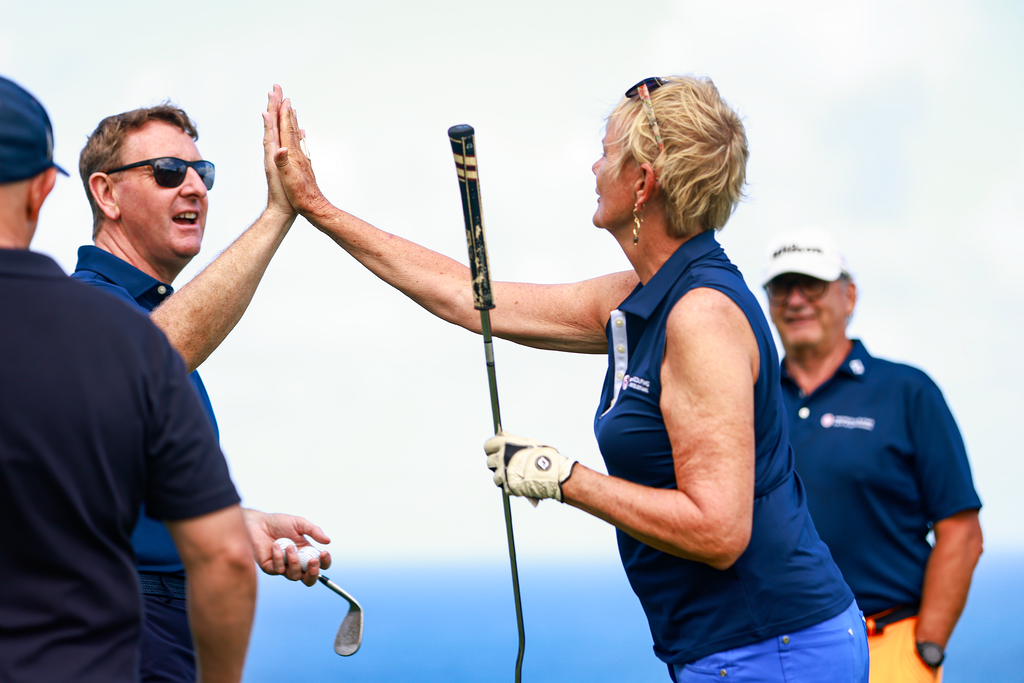
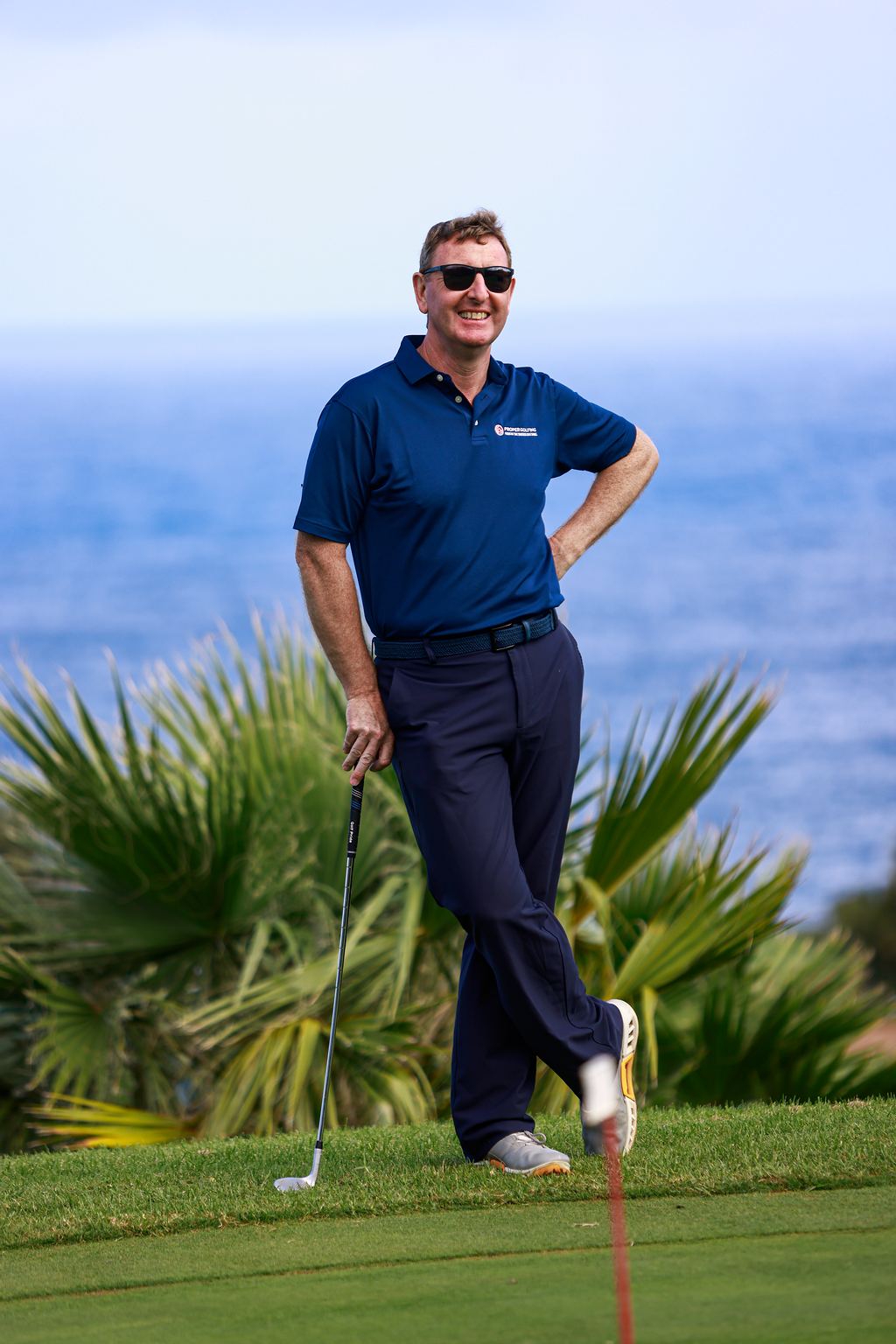
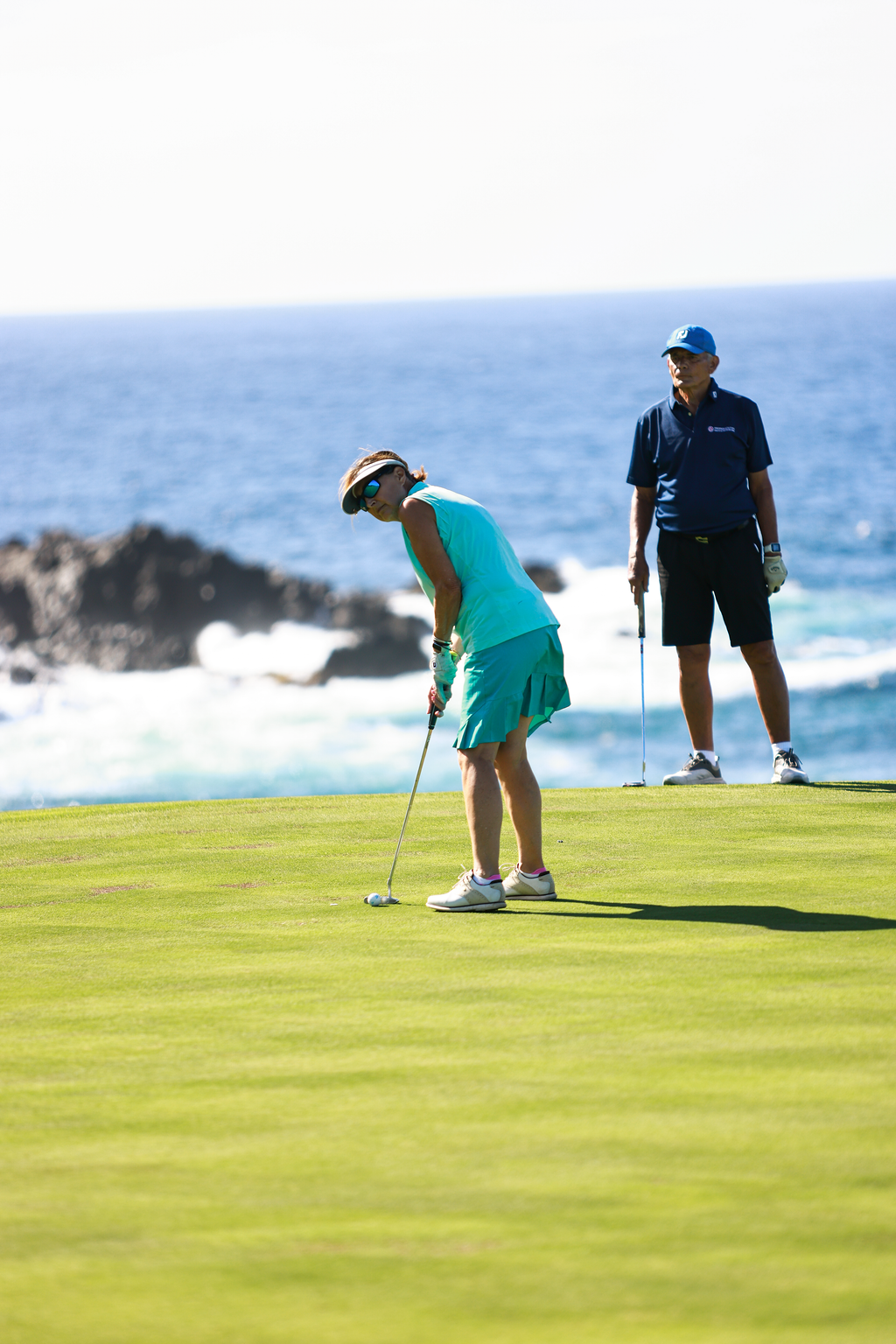
Situated in the beautiful northwestern corner of Tenerife, Buenavista Golf is one of those courses you never tire of playing. Designed by the legendary Seve Ballesteros, it offers spectacular views across the Atlantic, dramatic mountain scenery and some wonderfully memorable holes. We’ve visited around five times now, and it’s easy to see why we keep returning.
Our five-star hotel provided the perfect base, with beautiful surroundings, excellent facilities and outstanding food. Every evening we came together for dinner and plenty of conversation about the day’s golf. There was laughter, storytelling, good-natured teasing and, occasionally, a little discussion about the shots that didn’t quite go to plan.
But for us, the most important part of the holiday is always the people.
Eight Golfers. Never More.
We’ve always believed that small groups create better coaching experiences. That’s why we limit our golf holidays to a maximum of eight golfers.
This time we welcomed three couples and two single gentlemen, travelling from the UK, Belgium and Germany. Everyone brought their own experiences, ambitions and personalities, and whether someone travels as a couple or on their own, they quickly become part of the group.
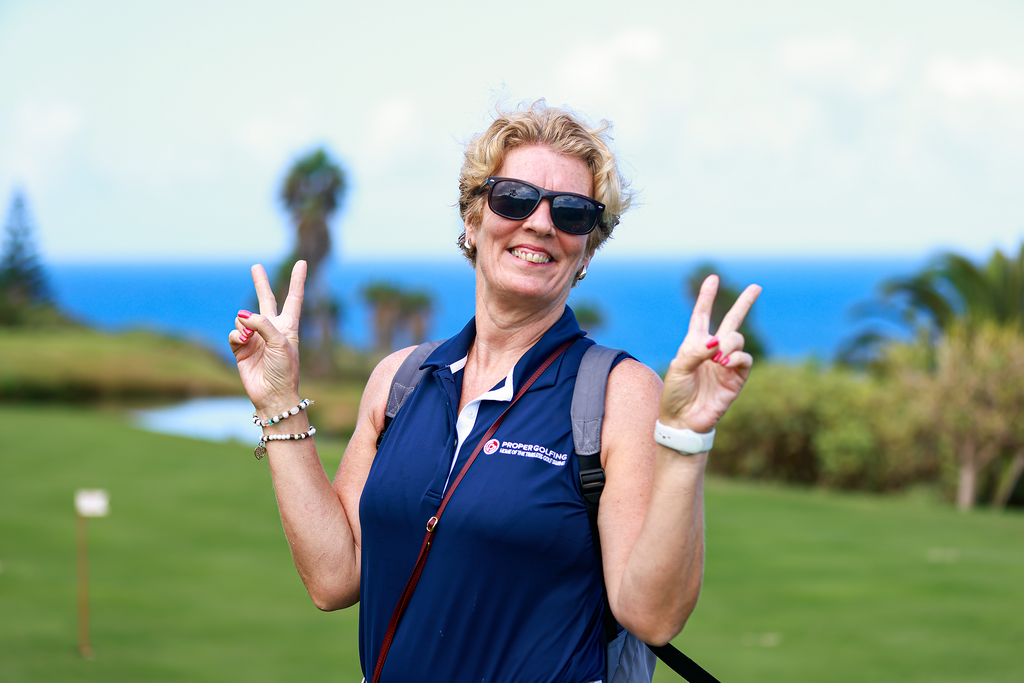
There’s no pressure to be a low-handicap golfer, and nobody needs to impress anybody else. It’s simply a group of people who enjoy golf, want to improve and appreciate good company.
One of our returning guests, J, told us what she particularly enjoyed: “The camaraderie, the caring approach of Jo & Julian, the size of the group (max 8), the coaching, the golf course.”
That’s exactly the atmosphere we try to create. And when people return for their third, fourth or fifth holiday, it tells us they’re enjoying it too.
The Biggest Breakthrough? Stop Trying So Hard
Julian’s reflections on the coaching week
One of the most interesting things I noticed in Tenerife was just how often golfers improved when they stopped trying so hard.
As golfers, we tend to think that if we want to hit the ball farther or straighter, we need to put more effort into the shot. Often, the opposite is true. When we reduce unnecessary tension and allow the club to swing more naturally, the results can be quite remarkable.
R was a great example. He had been starting his backswing too much with his hands and wrists, which made it difficult to coordinate his body and release the club properly. We introduced one very simple thought: “Right pocket back.” It encouraged his body to start the backswing rather than his hands. Suddenly he had more room to swing, release the clubhead and produce some lovely, powerful draws.
H had a tendency to pull the club across the ball, creating a steep swing and losing distance. We worked on a movement that felt more like throwing a frisbee around his body. In our final session he hit one shot so beautifully that I said to him, “That’s gone as far as your driver did yesterday.”
And then there was F. The difference in the rhythm and fluidity of his swing between the start and end of the week was enormous. I told him I couldn’t believe how much it had changed.
None of these were complicated technical rebuilds. They were golfers discovering how to move more freely, coordinate their bodies more naturally and let the club do its job. That’s at the heart of the Timeless Golf Swing®, our evidence-backed, trademarked golf swing philosophy.
At 71, J Discovered Just How Much Her Golf Could Improve
One of the most inspiring stories of the week came from J, aged 71. She arrived wanting greater consistency and a better understanding of her golf swing.
We identified a tendency to move too far sideways in her backswing. Rather than rotating around a stable centre, her body sometimes moved away from the target, which made it harder to return the club consistently to the ball. So we worked on a more balanced, coordinated backswing and on how she delivered the club through impact. When she got the timing right, she produced some lovely golf shots.
What was particularly encouraging was the change in her understanding and confidence. At the start of the week, J rated her overall golfing confidence at 5 out of 10. By the end, it was 8 out of 10.
J’s Before-and-After Confidence Scores
| Area of her game | Before | After |
|---|---|---|
| Driver | 5/10 | 8/10 |
| Fairway woods & hybrids | 5/10 | 8/10 |
| Iron play | 5/10 | 7/10 |
| Approach shots | 6/10 | 8/10 |
| Chipping | 6/10 | 8/10 |
| Pitching | 6/10 | 8/10 |
| Bunker play | 6/10 | 8/10 |
| Putting | 4/10 | 8/10 |
| Course management | 7/10 | 8/10 |
| Overall confidence | 5/10 | 8/10 |
Her progress across the three principles of the Timeless Golf Swing® was just as encouraging:
Free-Flowing Motion
Reducing tension and letting the clubhead swing naturally.
4/10 to 8/10Coordinated Movement
The body, arms and club working together.
3/10 to 7/10The Six-Second Finish
Balance, and using the finish as feedback on the movement.
5/10 to 7/10These figures are J’s own assessments of her confidence and movement, rather than measured improvements in shot performance. But they tell us something enormously valuable about how she felt after a week of personal coaching.
When asked to describe her golf at the end of the week, the first word she wrote was “Hopeful.” She explained that she now understood her technique much better and, most importantly, knew how to correct the things that had been holding her back.
And when we asked how the holiday compared with others she’d been on, J wrote: “Head & shoulders above any other organisation we’ve been with. This is the 3rd or 4th with you & by far the best.”
At 71, J isn’t simply maintaining her golf. She’s still learning, developing and discovering what’s possible, and that’s wonderful to see.
Ja: The Simple Exercise That Transformed Her Ball Striking
Ja could make a beautiful practice swing. Her body moved naturally, her weight transferred towards the target and she finished in good balance. But when we introduced the golf ball, something changed. She sometimes stayed on her back foot for too long, which made consistent striking much harder.
It’s a problem that affects golfers of every ability: the desire to hit the ball changes how we move. So we tried a rather unusual exercise and moved the ball four or five inches farther forward than normal. Suddenly Ja had to move through the shot rather than hang back, and the difference was immediate. She made better contact, transferred her weight more effectively and produced stronger shots with less effort.
What made it particularly rewarding was seeing her take that same feeling onto the golf course. It wasn’t just a practice ground improvement. She was beginning to trust the movement when it really mattered.
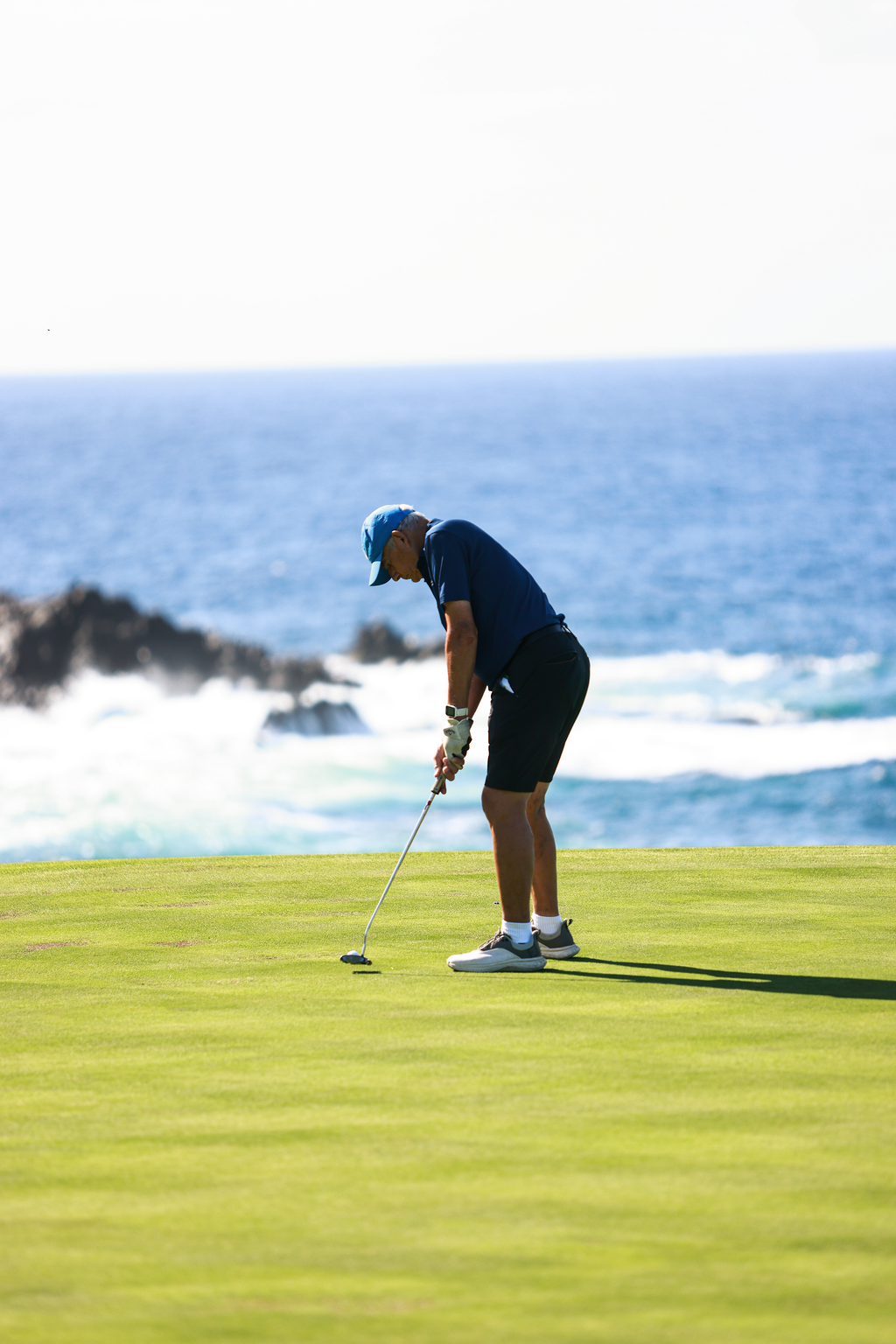
At 84, G Proved That Golf Improvement Has No Age Limit
J’s husband, G, is 84, and he’s a wonderful reminder of why golf is such a special game. What impressed Julian most was G’s willingness to learn, and the quality of golf he produced when a few simple changes came together.
His biggest difficulty was staying on his back foot through impact, which sometimes produced heavy or thin shots. We encouraged his weight to move more naturally towards the target and let the club travel around his body rather than becoming too upright in the backswing. When it all came together, G hit some wonderfully long, accurate shots.
There was another moment Julian particularly enjoyed. G’s short game was already very good. He had his own way of playing delicate chips, slightly different from the technique Julian was demonstrating, but it worked beautifully. So Julian told him not to change it.
That’s an important part of good coaching. You don’t need to force every golfer into the same technique. Sometimes it’s about recognising what someone already does well and helping with the movements that are holding them back.
At the end of the week, G described his golf as “Better than it was a week ago,” and added, “Who says you can’t teach an old dog new tricks?” We love that.
G also reported greater freedom of movement, better balance and a much more positive outlook on his golf. At 84, he’s showing that improvement doesn’t have to come from swinging harder or from physical strength. It can come from better coordination, better movement and using the club more efficiently.
Your best golf doesn’t have to be behind you.
K: From Feeling Like a Beginner to Understanding Her Swing
K joined us playing off 36. Despite several years of golf, she still thought of herself as something of a beginner, and her ambition for the week was simple: she wanted to hit the ball straighter.
We worked on helping her understand the relationship between swing path, alignment, weight transfer and ball flight, and it was wonderful watching her begin to recognise why particular shots went left or right. By the end of the week she was hitting more straight shots, swinging with greater freedom and feeling more confident.
When asked what she now understood that she hadn’t before, she wrote: “The reason why the golf ball went to L or to R.”
That might sound like a small breakthrough, but for a golfer frustrated by inconsistent ball flight, it makes an enormous difference. And when we asked how confident she felt about continuing to improve, she rated herself 9 out of 10.
That’s what we want from our coaching. Not just better shots during the holiday, but golfers going home knowing what to work on and excited about their progress.
H: The Difference Between Knowing and Doing
H was joining us for his fourth Proper Golfing coaching holiday, and his experience highlighted something almost every golfer will recognise. You can know exactly what you’re supposed to do in a golf swing, but actually doing it is another matter. H described it brilliantly as the “knowing-doing gap.”
Through the week, Julian helped him with swing direction, weight transfer and letting the clubhead release naturally. One simple reminder made a particular impression: “Swing the clubhead, not the grip.” Together with the frisbee feeling, it helped him move the club more naturally rather than pulling it steeply across the ball, and it led to that memorable strike that matched his driver from the day before.
H reported that his shots were travelling straighter and that he was swinging with less effort. He also recognised that carrying those improvements consistently from the practice ground to the course is still a work in progress. That’s the reality of improving at golf. Understanding the movement is the first step. Learning to trust it and repeat it on the course takes practice and experience.
The Biggest Mistake We Saw All Week
One theme kept appearing in our coaching sessions. Golfers were trying to hit the golf ball instead of swinging the golf club.
The harder they tried, the more tension crept into their hands, arms and shoulders, and the less coordinated their movement became. Some stayed on their back foot. Others pulled the club across the ball or tried to control the clubface through impact. But these problems were usually connected by the same thing: too much effort and too much conscious control.
That’s why we kept coming back to the three principles of the Timeless Golf Swing®: Free-Flowing Motion, Coordinated Movement and the Six-Second Finish. And Julian kept reminding everyone of one important thought: “The swing produces the shot. The ball just gets in the way.”
When golfers concentrated on making a good movement rather than forcing a good result, the quality of their shots often improved dramatically. Sometimes less really is more.
Why Coaching on the Golf Course Makes Such a Difference
One of the things we love about these holidays is having time to work with golfers over several days. We can introduce a change on the practice ground in the morning, then see how it holds up on the course in the afternoon.
That can be a very different experience. Someone might hit beautiful shots on the range, then arrive on the first tee and start worrying about the bunker, the trees, their score or where the ball might finish. Suddenly they become tense and cautious, and start trying to control every part of the swing.
Having Julian on the course means we can deal with those moments as they happen. We saw it with Ja when she took her weight-transfer exercise onto the course and began striking it better. We also worked on the situations golfers meet during a round: awkward lies, recovery shots, bunker play and choosing sensible options rather than unnecessarily difficult ones.
And because we were together all week, Julian could see how each golfer responded to good shots, poor shots, tiredness and a little competitive pressure. That’s something you can’t always discover in a single lesson.
It’s not simply about learning a better golf swing. It’s about learning how to use it when you’re actually playing.
A Brilliant Final Day, and a Birdie-Birdie Finish
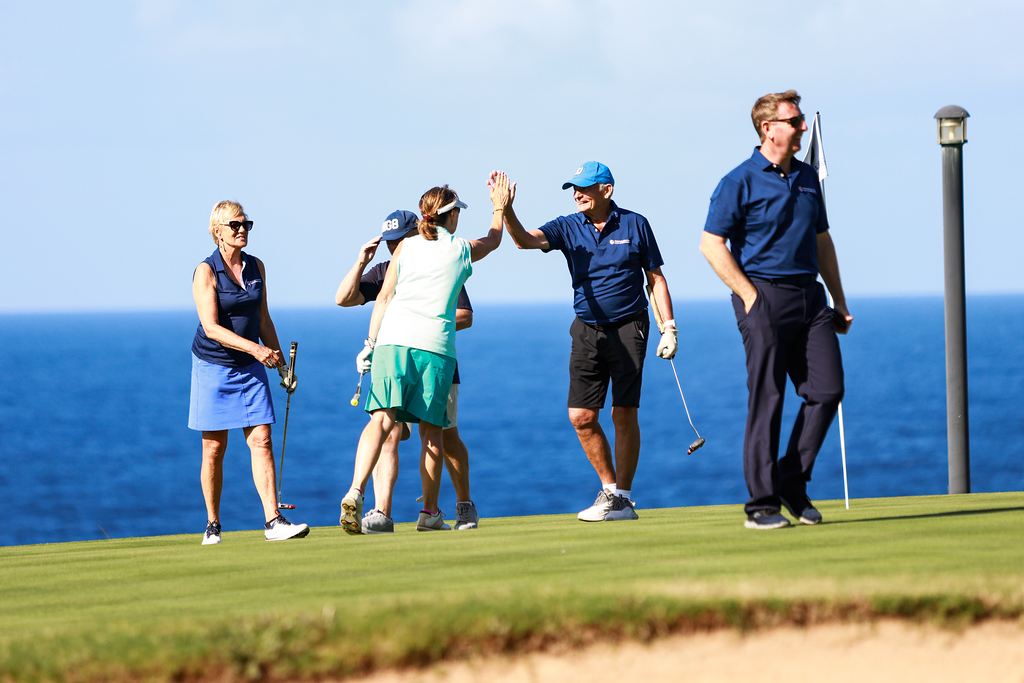
Every Proper Golfing coaching holiday ends with a little friendly competition, and our final Texas Scramble at Buenavista didn’t disappoint. There was plenty of encouragement, some excellent golf and just enough competitive spirit to make things exciting. It went right down to the wire.
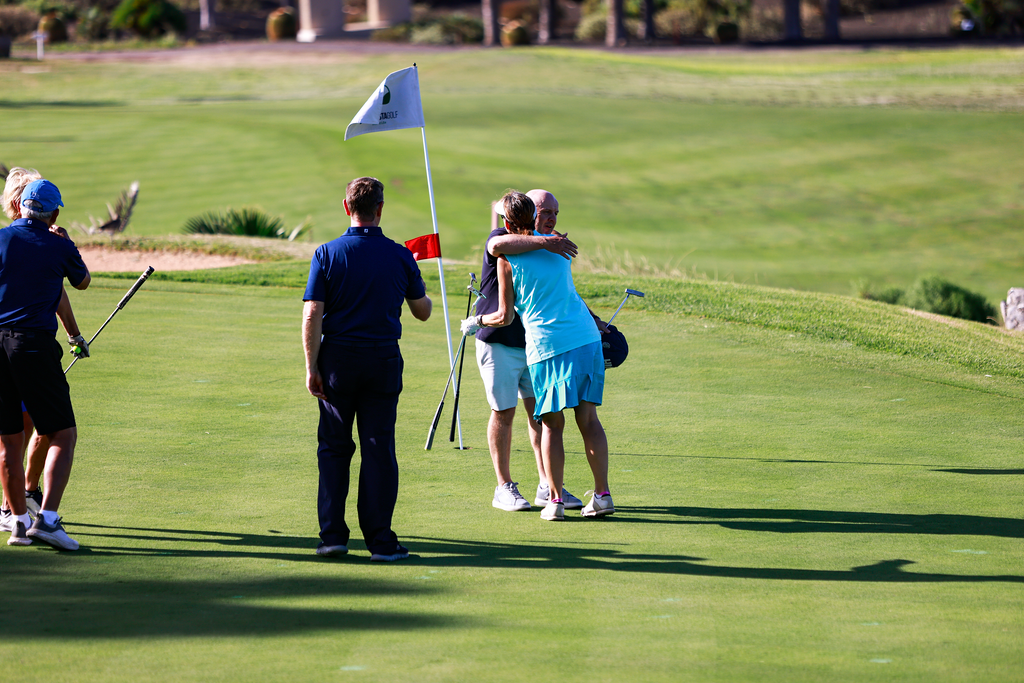
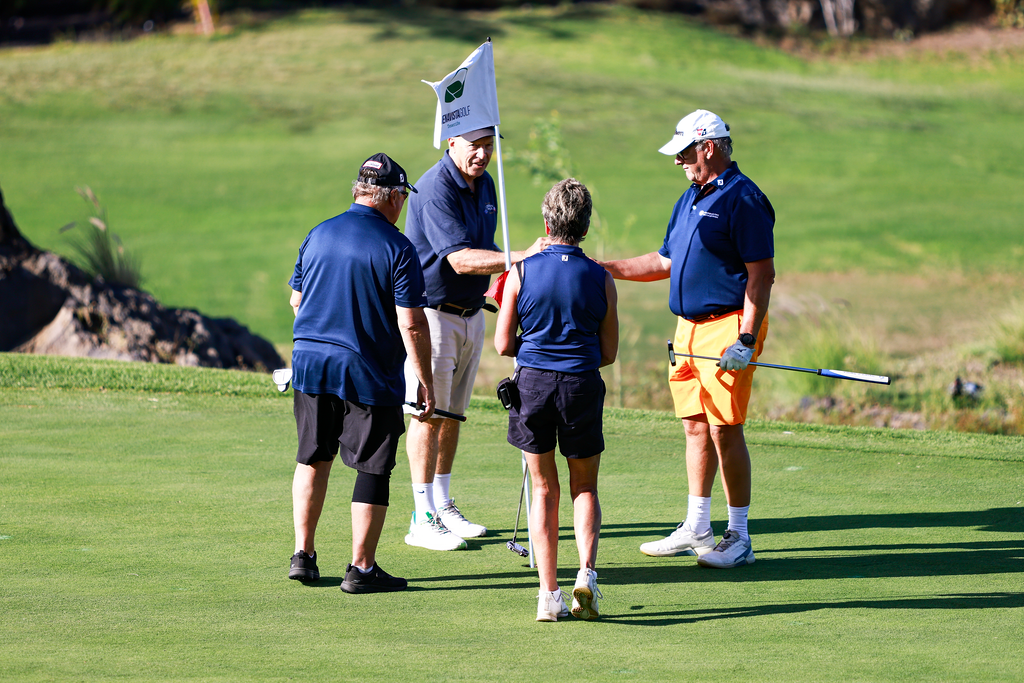
What Julian particularly enjoyed was that everyone contributed. After a week of working on swings, ball flight, short game and confidence, here was the group enjoying their golf, supporting one another and producing some lovely shots.
Our Buenavista putting competition was won by one of our developing lady golfers, a lovely reminder that you don’t need to be the lowest-handicap golfer to enjoy success.
As Julian reflected afterwards: “That’s what coaching is really about for me. Not simply producing a technically better golf swing, but helping people enjoy the game, grow in confidence and realise what they’re capable of.”
It’s About So Much More Than Golf
Looking back, there’s plenty to celebrate: better ball striking, straighter drives, improved balance and coordination, real technical breakthroughs and the confidence our golfers reported at the end of the week.
But other things stay with us too. The laughter around the dinner table. The friendships that develop. The golfer who finally understands why a shot has been going wrong. And the wonderful sight of golfers in their seventies and eighties still learning, developing and enjoying their game.
One returning guest described the holiday as “a hugely personalised experience which these small group trips facilitate.” That really is why we only take eight golfers. We want everyone to get the personal attention they deserve, feel comfortable in the group and go home knowing they’ve had a genuinely special week.
So Why Do Our Golfers Keep Coming Back?
We think it’s because they know what to expect. A beautiful location. A small group of friendly, like-minded people. Expert coaching tailored to their own game. Plenty of chances to put what they’ve learned into practice. And an atmosphere where they can relax, have fun and enjoy being part of the group.
When golfers choose to come back for a third, fourth or fifth holiday, that’s the greatest compliment we could receive, and it’s why we love welcoming them back.
Tenerife, January 2027
Could You Join Us Next Time?
Our next Timeless Golf Swing® coaching holiday at Buenavista runs from 16 to 22 January 2027, and only the final 2 places remain.
If you’ve wondered whether your golf is good enough, whether you’d fit in or whether you’d enjoy coming on your own, we hope these stories offer some reassurance. You don’t need to be a low-handicap golfer. You don’t need a perfect swing. And you certainly don’t need to feel your best golf is behind you. You just need to enjoy the game and want to get more out of it.
See the January Tenerife tripEight golfers. Personal coaching. Wonderful company. And the chance to discover just how good your golf can become. We’d love you to join us.
Want to understand the thinking behind the coaching? Discover the Timeless Golf Swing®, our evidence-backed, trademarked golf swing philosophy.
Julian Mellor & Jo Cameron
Proper Golfing | Timeless Golf Swing®
Timeless Golf Starts Here.