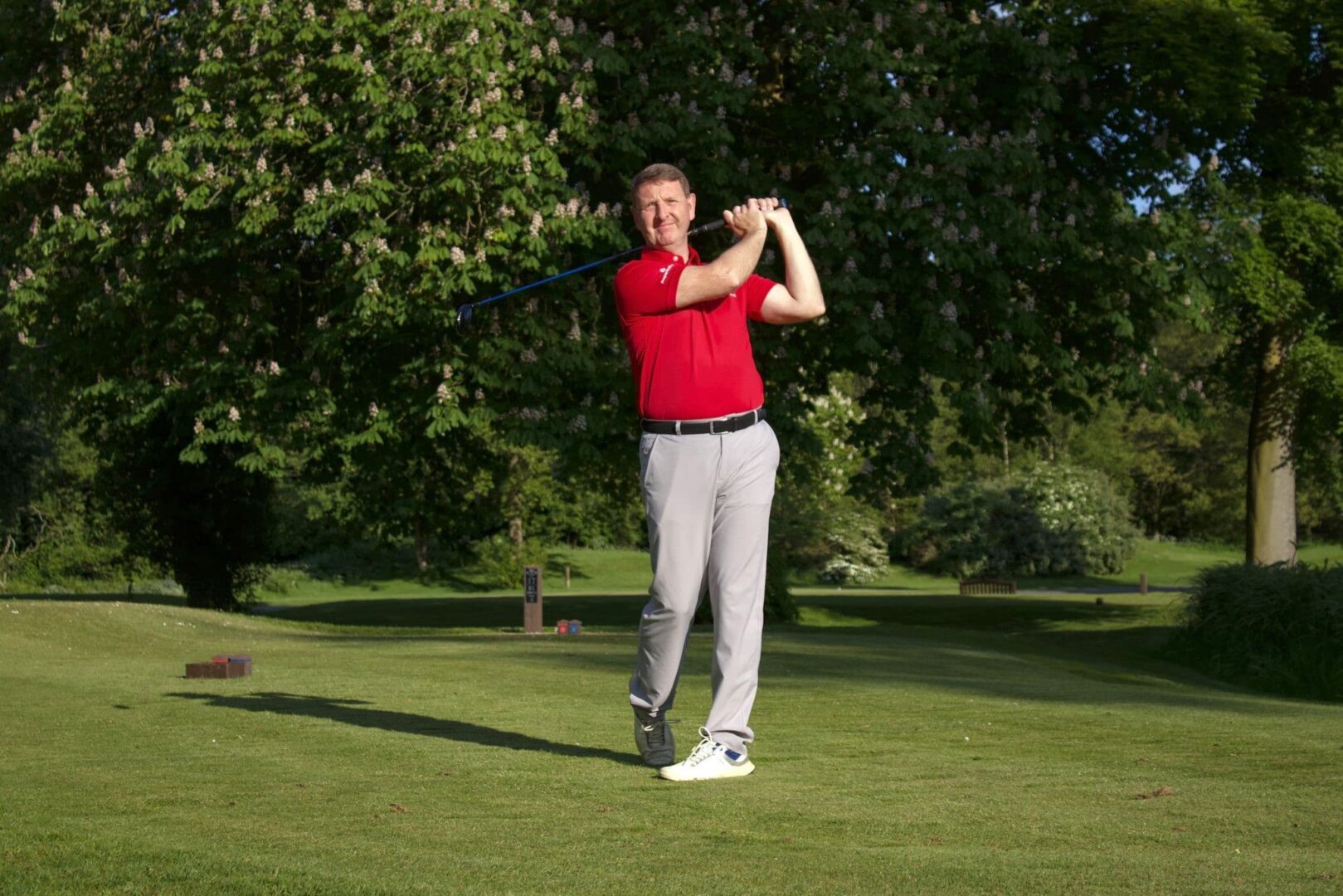
Are You Practising Your Golf Swing, or Just Hitting Balls?
Are You Practising Your Golf Swing, or Just Hitting Balls?
A real lesson from the ProperGolfing Coaching Vault.

Last November, while many golfers were putting their clubs away for the winter, we were doing something rather different at the ProperGolfing Studio.
We were using the winter to work on the things that had frustrated golfers during the season.
Not just hitting more balls.
Actually finding out what was going on and then learning how to practise it properly.
I’ve been going back through some of those lessons in our Coaching Vault, and one in particular really stood out.
This golfer knew he’d stalled. He was practising. He was hitting plenty of balls. But he wasn’t really getting anywhere.
So I asked him why. And he said:
“I can’t get a feel. Every shot feels different.”
The golfer, during the lesson
That interested me. Because I see this all the time.
“Because you’re always in reaction.”
“Yeah, I’m trying to counteract the shot before.”
And he knew exactly what I meant.
There was the problem.
I call it machine-gun golf
- One ball goes right
- So you change something
- The next one goes left
- So you change something else
- You hit one heavy
- Another correction
- Then you hit a lovely one and think, what did I do there?
- So you try to recreate it
That’s not really practising. You’re reacting to the shot before.
And as I said to him during the lesson:
“The more you hit, the more variable you get.”
Julian Mellor
That’s why simply hitting more golf balls isn’t always the answer. You can be working incredibly hard and actually be making the whole thing more confusing.
So we stopped him hitting balls
There’s actually a point in the lesson where I call across to Jo:
“Jo, I think we’ve stopped him hitting balls.”
Julian Mellor, during the lesson
Because that was the change. Instead of standing there firing golf balls down the range and judging every result, we started working on the movement.
- FirstWe slowed it down
- ThenWe gave him a reference point
- ThenWe rehearsed it
- AndRehearsed it again
The golf ball wasn’t dictating what he did next anymore.
The movement was.
Earlier in the lesson I’d asked him a very simple question:
“Why do we practise?”
The answer, of course, is to get better. But that’s the interesting thing. You can spend an hour hitting golf balls and not necessarily be practising the thing that’s going to make you better.
At one point he’d done around 50 rehearsals of the movement without simply standing there hitting ball after ball. And I told him:
“That is much better practice than just the balls. Much better.”
The best I’ve seen you practise
As he continued working on it, I said:
“That’s the best I’ve seen you practise. Every one of those you’re working on the right end. Every one.”
Julian Mellor
And then he hit another one. My reaction at the time was:
“And now your ball has finished eight feet off target. A lovely, lovely golf shot.”
Julian Mellor, during the lessonNow, I’m not telling you that practising properly means your next shot is going to finish eight feet from the flag. That’s not the point.
The important bit happened before the golf shot.
- He’d stopped chasing the result of every ball.
- He was working on something.
- He had a reference.
- He knew what he was trying to do.
- And he was repeating it.
Then the golf shot took care of itself.
Less is more
Later in the lesson I asked him what the session had made him realise. His answer was really interesting. He talked about needing to change his attitude and his habits. And then he summed it up:
“Less is more.”
The golfer
“It’s about the quality rather than the quantity.”
The golfer
Exactly. That’s the lesson.
So what should you do when you practise?
- Know what you’re working on
- Rehearse it
- Hit a ball
- See what happens
- Then go back to the same thing
- Don’t hit one right and immediately change something.
- Don’t hit the next one left and introduce another swing thought.
- Don’t spend an hour trying to make the next ball better than the one before.
As I said during this lesson:
“You’re not just hitting another one. You’re working right there. And now you’re getting better.”
Julian Mellor
That’s practice. It’s a principle at the heart of the Timeless Golf Swing® philosophy.
And there’s another thing I really liked from this lesson. The golfer eventually said:
“I’ve got a method, an early reference point of where I should be. And then I don’t have to worry about re-engineering from up here.”
The golfer
That’s a golfer beginning to understand what he’s doing. And for me, that’s incredibly important.
This is why winter is such a good time to do it
And you’ve basically got a choice.
- Option one
Put the clubs away and hope everything is still there next spring.
- Option two
Keep going to the range and hitting balls to keep your swing going.
- Option three
Use the next few months to actually improve something.
That’s one of the reasons I’ve been going back through the lessons we recorded last winter. We’ve now built a ProperGolfing Coaching Vault containing more than 600 hours of full lesson transcripts.
These aren’t demonstrations we’ve made for social media.
And when you start going back through hundreds of hours of coaching, you begin to see the same things appearing again and again. Golfers aren’t short of effort. A lot of them aren’t short of practice either.
What they’re often short of is clarity.
- What is actually causing my bad shot?
- What should I work on?
- How should I practise it?
- How do I know I’m doing it correctly?
That last question actually came up in this lesson too:
“So how do you know you’re doing it correctly on the range?”
The golfer
That’s a really important question. Because if you don’t know, you’re back to judging everything by where the last golf ball went. And before long you’re back playing machine-gun golf.
That’s what we’ve built this winter around
The Winter Timeless Golf Improvement Programme isn’t simply a block of golf lessons. There’s a reason we’ve included practice between the coaching sessions.
- 1CoachingFirst, we establish what’s actually happening.
- 2PracticeYou get dedicated time to practise it.
- 3FeedbackWe decide what you need to work on next.
- 4PracticeMore dedicated time on the right thing.
- 5ReviewWe come back together and see what’s changed.
In the studio or on Zoom. Coaching remotely? Your practice sessions become golf swing analysis instead.

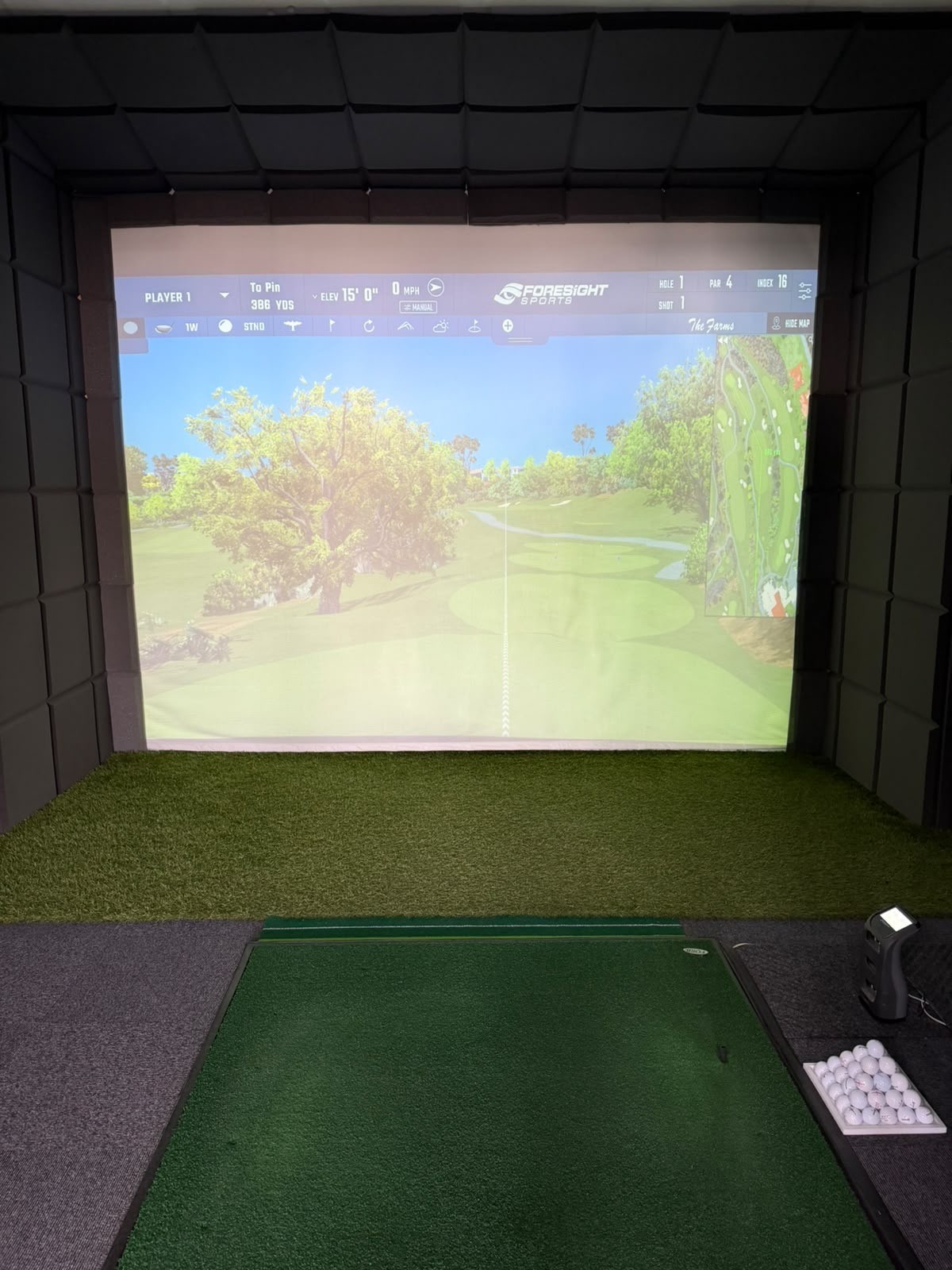

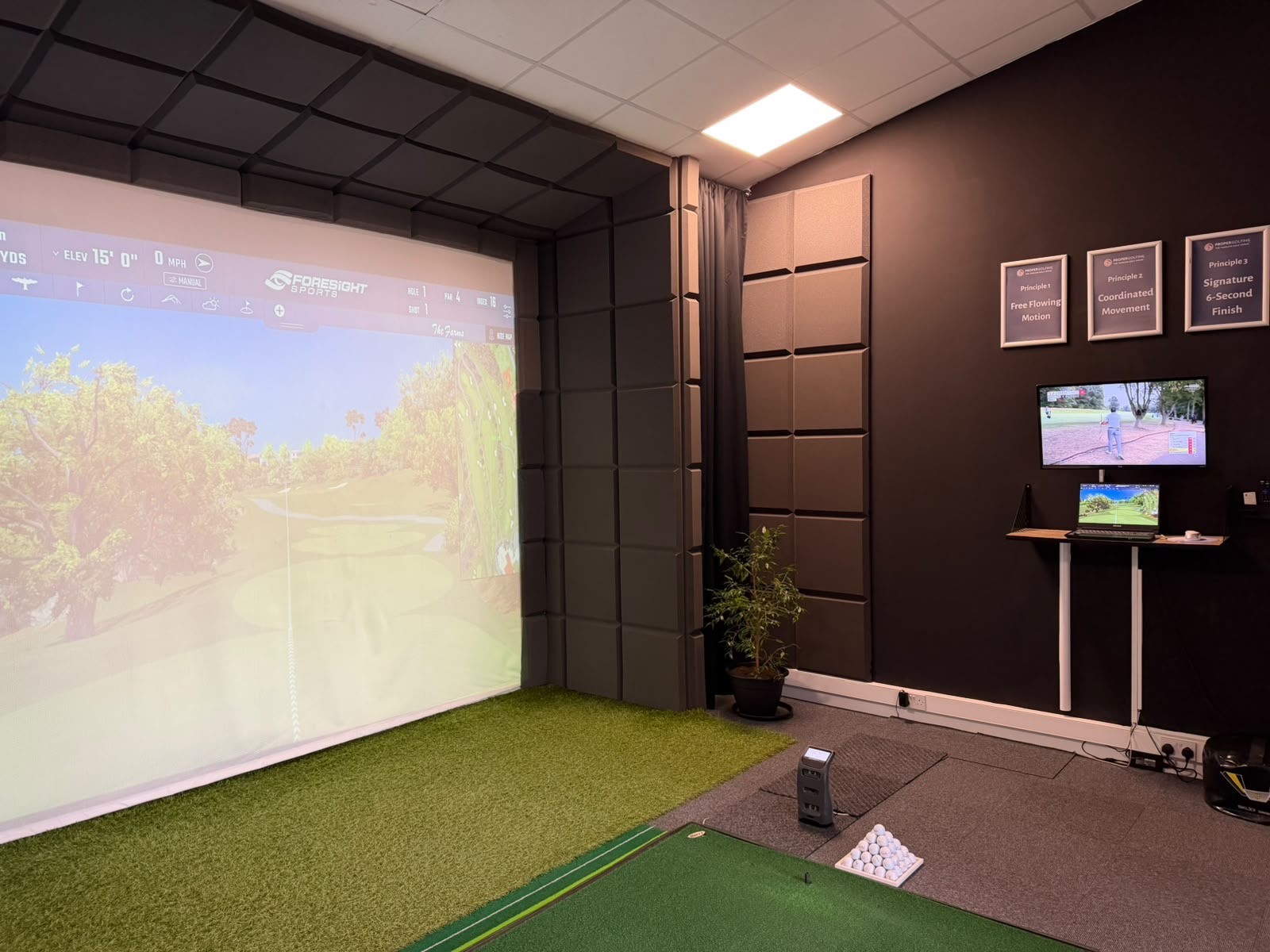
A line from this lesson that sums the whole thing up
“It’s about the quality rather than the quantity.”
You don’t necessarily need to hit more golf balls this winter. You need to know what you’re practising and why you’re practising it. That’s how you give yourself a chance of actually getting better.
Winter Timeless Golf Improvement Programme
£349
Individual coaching. Dedicated simulator practice. Personalised direction for your golf.
Use this winter to understand your swing, work on the things that actually matter and give yourself something better to take into next season.
Or win the entire Winter Programme
We’re also giving one golfer the chance to win the Winter Timeless Golf Improvement Programme.
So if you’ve read this and thought, that’s exactly what I do, I just keep hitting balls and reacting to the last one, enter the draw.
You could be the golfer we’re working with this winter.
Enter the Winter Programme Prize DrawJulian Mellor & Jo Cameron
Timeless Golf Starts Here.